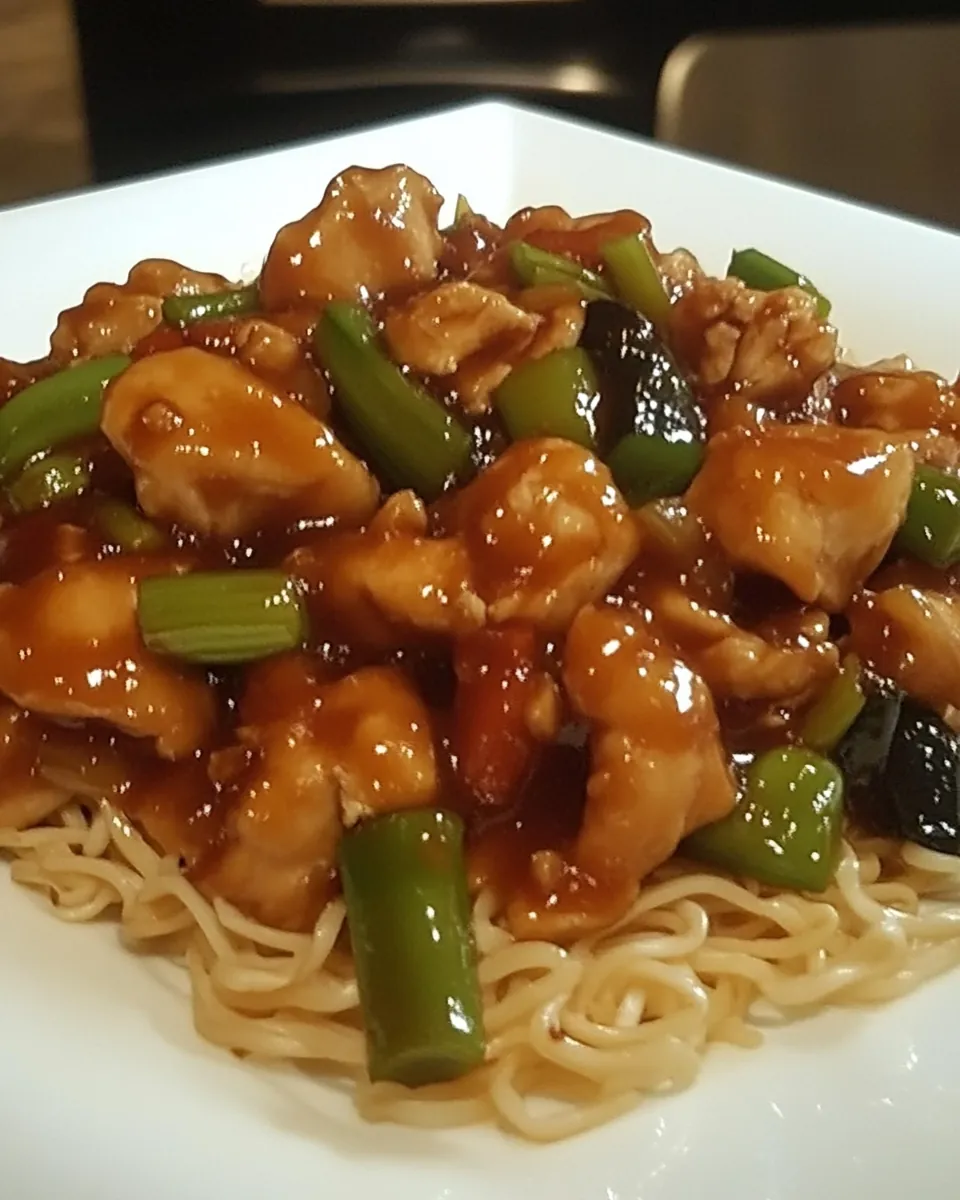
Hunan Chicken
Whenever I think of a dish that combines bold flavors and a satisfying crunch, I instantly recall Hunan Chicken. It’s not just a meal; it’s an experience! I remember the first time I had this dish at a local Chinese restaurant, the aroma of spices dancing through the air, and the vibrant colors of the stir-fried vegetables were simply irresistible. I couldn’t wait to dig in! The tender, marinated chicken coated in a rich sauce, complemented by crispy noodles and fresh vegetables, created a delightful symphony of textures and flavors that left me craving more. I knew I had to replicate this at home.
Cooking Hunan Chicken has become a cherished tradition in my kitchen. It’s a go-to dish for family gatherings, and I love watching my loved ones’ faces light up with every bite. The combination of spicy, sweet, and savory elements is truly a crowd-pleaser. As I prepare this dish, I feel a wave of nostalgia wash over me, reminding me of those joyful moments shared around the dining table. Not only is it delicious, but it also brings us together, inviting laughter and conversation as we enjoy this Asian-inspired feast.
This dish is perfect for any occasion, whether it’s a casual weeknight dinner or a festive celebration. The best part? You can customize it with your favorite vegetables or adjust the spice level to suit your taste. So, grab your wok and let’s embark on a flavorful journey with Hunan Chicken!
Recipe Snapshot
2 hr 45 mins
120 mins
45 mins
Hard
620 kcal
35 g
Whole30, Gluten-Free, Low FODMAP
25 g
Peeler, Skillet, Whisk, Frying Pan, Mixing Bowl, Large Pot, Wooden Spoon, Chef’s Knife
Why This Hunan Chicken Is So Good
It’s All About Flavor
One of the primary reasons I adore Hunan Chicken is the explosion of flavor it delivers. Each bite is a perfect blend of spicy chicken, aromatic garlic, and zesty ginger, all brought together by a rich sauce. This dish truly showcases the essence of Hunan cuisine, known for its bold and fiery flavors.
Quick and Easy to Prepare
Even though it might sound complex, Hunan Chicken is surprisingly quick and easy to whip up! With a bit of prep, you can have this dish ready in no time, making it ideal for busy weeknights when you want something delicious without spending hours in the kitchen.
Colorful and Nutritious
The vibrant colors of the fresh vegetables in Hunan Chicken not only make it visually appealing but also boost its nutritional value. Combining various vegetables like bell peppers, broccoli, and carrots adds essential vitamins and fibers to your meal, making it a wholesome choice for your family.
Customizable to Your Taste
One of the best aspects of Hunan Chicken is its versatility. You can easily modify the recipe to include your favorite vegetables or proteins, accommodating different dietary preferences. Whether you prefer it spicier or milder, this dish can be adjusted to suit your palate perfectly!
Perfect for Entertaining
If you’re looking to impress your guests, Hunan Chicken is an excellent choice. Its impressive presentation and vibrant flavors will leave everyone talking about your culinary skills long after the meal is over. Serve it with crispy noodles, and you have a show-stopping dish that’s sure to please!
Great Leftovers
Another reason to love Hunan Chicken is how well it keeps. The flavors meld beautifully when stored, making it an excellent option for meal prep. Enjoy the leftovers the next day; they’re just as delicious, if not better!
Everything You Need for Hunan Chicken
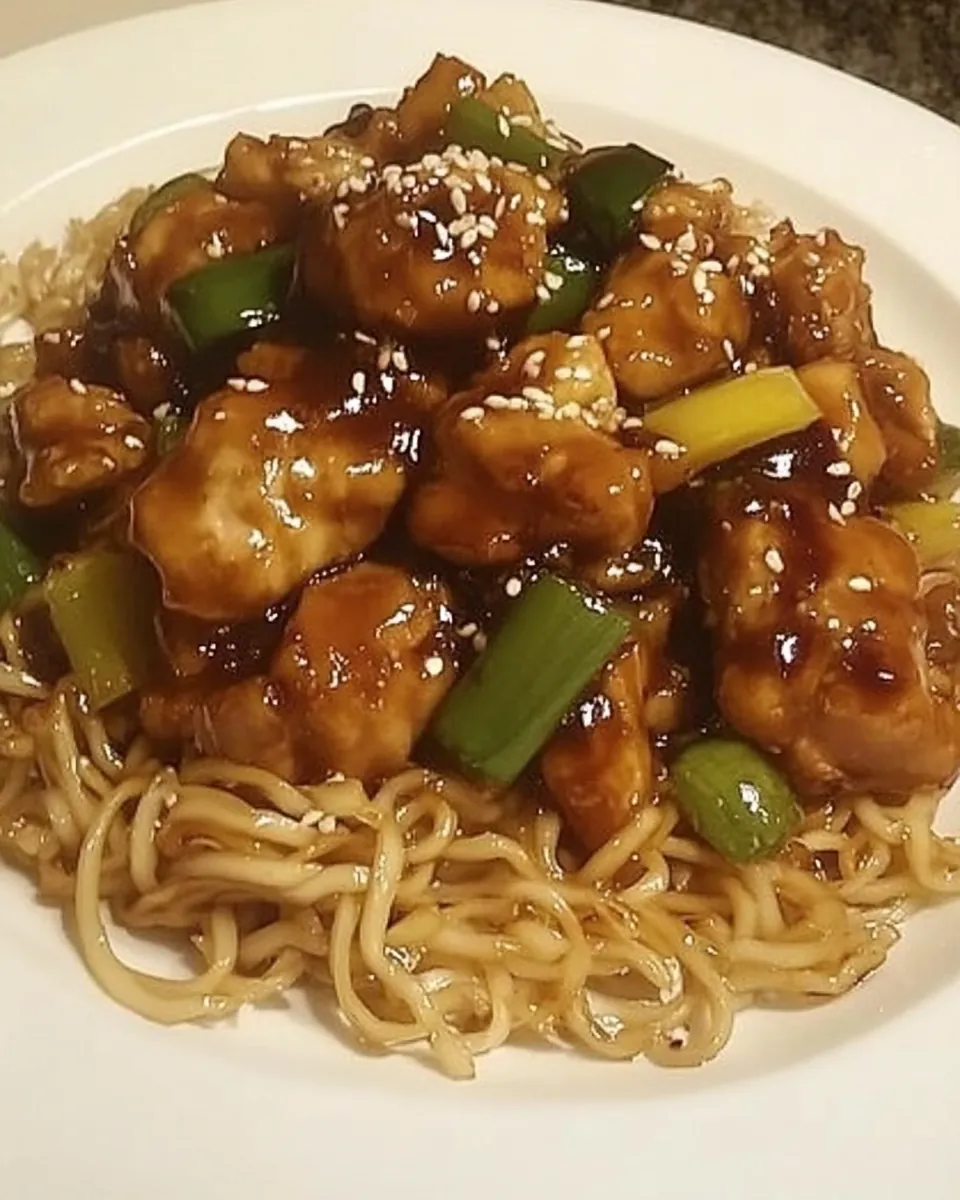
Gathering the right ingredients is crucial for making a fantastic Hunan Chicken. Each component plays a significant role in creating the dish’s signature taste and texture. From the tender chicken to the fragrant spices and fresh vegetables, these ingredients work harmoniously to deliver a satisfying meal.
- 2 pounds boneless skinless chicken, thinly sliced – The star of this dish, providing protein and flavor.
- 1/4 cup low-sodium soy sauce – Adds umami and depth to the marinade.
- 1 tablespoon rice vinegar – Brings a touch of acidity to balance the flavors.
- 1 tablespoon peanut oil or canola if you are allergic – A high smoke point oil perfect for frying.
- 2 cloves garlic, smashed – Essential for aroma and flavor in the marinade.
- 2 slices fresh ginger, smashed – Adds warmth and spice to the dish.
- 1 handful fresh cilantro leaves – Used for garnishing and adding freshness.
- Kosher salt and freshly ground black pepper – Season to taste.
- Vegetable oil or peanut oil, for frying – Necessary for achieving that crispy texture.
- 2 cups buttermilk – Creates a rich batter for frying.
- 4 cups of flour – Used for coating the chicken before frying.
- Hunan Sauce:
- 2 tablespoons cornstarch for slurry – Helps thicken the sauce.
- 1/2 cup water – Used in the sauce to adjust consistency.
- 1 teaspoon toasted sesame oil – Offers a nutty flavor to the sauce.
- 4 dried red Thai chilies – Adds heat and authenticity.
- 4 scallions, thinly sliced, plus more for garnish – Adds a fresh crunch and flavor.
- 2 cloves garlic, finely chopped – More flavor for the sauce.
- 1 inch piece fresh ginger, peeled and finely chopped – Enhances the sauce with more aromatic flavor.
- 3 thick strips orange zest – Provides a hint of citrus brightness.
- 1/2 cup low-sodium soy sauce – A fundamental ingredient in Asian cuisine.
- 1 1/2 cups chicken stock – Adds depth and richness to the sauce.
- 2 tablespoons rice vinegar – For acidity and balance in the sauce.
- 1 tablespoon honey – Adds a touch of sweetness to round out the flavors.
- 3 ounces dried Chinese egg noodles – Forms the crispy base for the dish.
- 1-2 tablespoons canola oil – For frying the noodles until crispy.
- 1/2 cup vegetable broth (low-sodium canned) – A flavorful base for the stir-fry.
- 3 tablespoons oyster sauce – Adds a savory note to the vegetables.
- 1 tablespoon soy sauce plus more for the table – Essential for seasoning and serving.
- 2 teaspoons cornstarch – For thickening the sauce.
- 1 teaspoon sugar – Balances the flavors in the sauce.
- 1 teaspoon dark Asian sesame oil – Deepens the flavor profile.
- 1 heaping tablespoon minced peeled fresh ginger – Enhances the overall flavor of the stir-fry.
- 3 cloves garlic, minced – Adds aromatic depth.
- 1 scallion, white and green minced – For garnish and flavor.
- 1/2 medium yellow onion, thinly sliced – A base flavor in the stir-fry.
- 1 stalk celery, thinly sliced on the diagonal – Adds crunch to the stir-fry.
- 10 dried shiitake mushrooms, rehydrated, drained, and thinly sliced – Adds umami flavor.
- 1/3 cup thinly sliced canned water chestnuts – Provides crunch and texture.
- 6 ounces fresh mung bean sprouts – Adds freshness and crunch.
- Mixed vegetables– we used snow peas, zucchini, broccoli, and yellow squash – A colorful mix that enhances nutrition.
Hunan Chicken Instructions
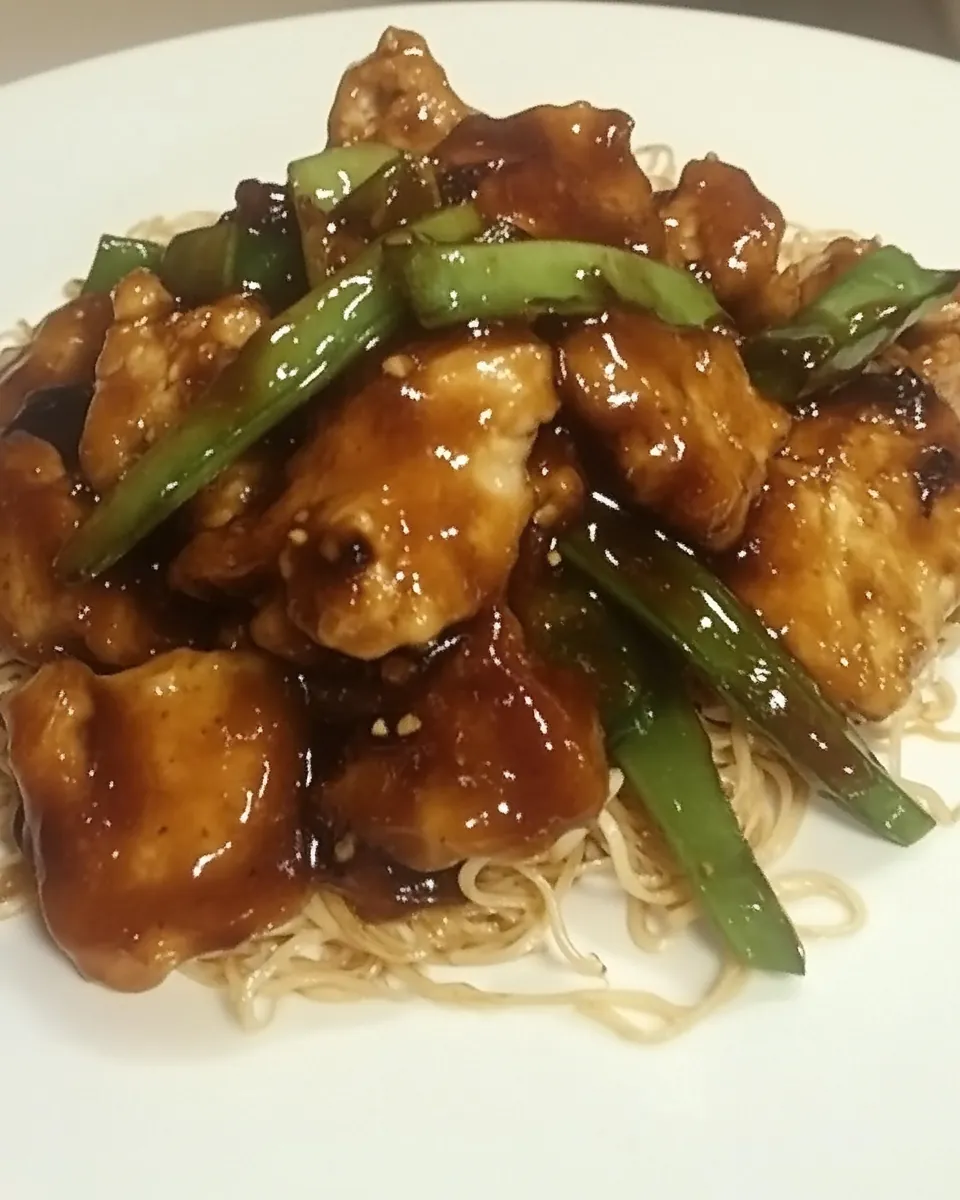
Making Hunan Chicken is a straightforward process, but don’t rush it! Each step adds layers of flavor that make this dish truly special. Follow along and enjoy the process of creating something delicious!
Start by preparing the marinade. In a large bowl, combine the chicken, soy sauce, rice vinegar, and peanut oil. Add the garlic and ginger, mixing well to ensure all pieces are coated. Cover the bowl and let it marinate in the refrigerator for 2 hours. This step is crucial as it infuses the chicken with amazing flavors.
Heat enough vegetable oil in a wok or deep skillet until it reaches 375 degrees F. Carefully add the marinated chicken in batches, frying until golden brown and crispy, about 4 to 5 minutes per batch. Be sure not to overcrowd the pan. Drain the fried chicken on paper towels to remove excess oil.
Once all the chicken is fried, it’s time to make the sauce. In the same hot wok, add 2 tablespoons of oil, then throw in the dried red Thai chilies, scallion, garlic, ginger, and orange zest. Stir-fry for 1 minute until fragrant. The smell will be intoxicating!
Next, pour in the soy sauce, chicken stock, rice vinegar, and honey. Bring the mixture to a boil, then mix the remaining cornstarch with cold water until smooth. Gradually add this slurry to the boiling sauce, stirring constantly until it thickens.
Add the fried chicken pieces back into the wok and toss them in the sauce, cooking for another 2 minutes until everything is heated through. Don’t forget to garnish with more scallions and cilantro leaves.
Now, let’s prepare the noodles! Boil the Chinese egg noodles according to package instructions, then drain in a colander and rinse under cold running water. This helps stop the cooking process and prevents them from sticking.
In a large, seasoned or non-stick skillet, heat a bit of oil over high heat. Add the drained noodles, spreading them out to cover the skillet evenly. Fry until they are golden brown and crispy, about 8 minutes, turning once. The goal is to achieve a nice crunch!
Once crispy, transfer the noodles to a paper towel-lined plate and season with salt. Set them aside while you prepare the vegetables.
Wipe out the skillet, then heat it over high heat again. Add a little oil if needed, then add the ginger, garlic, and scallion, stir-frying until fragrant, about 30 seconds.
Add the onion, celery, mushrooms, and mixed vegetables to the skillet. Stir-fry until they become crisp-tender, about 2 minutes. The colors will be vibrant and inviting!
Finally, add the water chestnuts and create a well in the center of the pan. Pour the broth mixture into the well and bring it to a boil, stirring to coat everything. Add in the fresh mung bean sprouts and give it a final stir.
Serve the stir-fried vegetables on a warm platter, topped with the crispy noodles and the Hunan Chicken. Pass extra soy sauce around for those who want more flavor. Enjoy!
Things Worth Knowing
- Marinating is Key: Marinating the chicken for at least 2 hours allows the flavors to penetrate deeply, enhancing the dish’s overall taste.
- Adjust the Spice: If you prefer a milder dish, you can reduce the amount of dried chilies used in the sauce.
- Cooking Temperature Matters: Ensure the oil is hot enough before adding the chicken to achieve that perfect golden crisp.
- Use Fresh Ingredients: Fresh vegetables and herbs will enhance the flavor, making your Hunan Chicken more vibrant and tasty.
Recipe Notes about Hunan Chicken
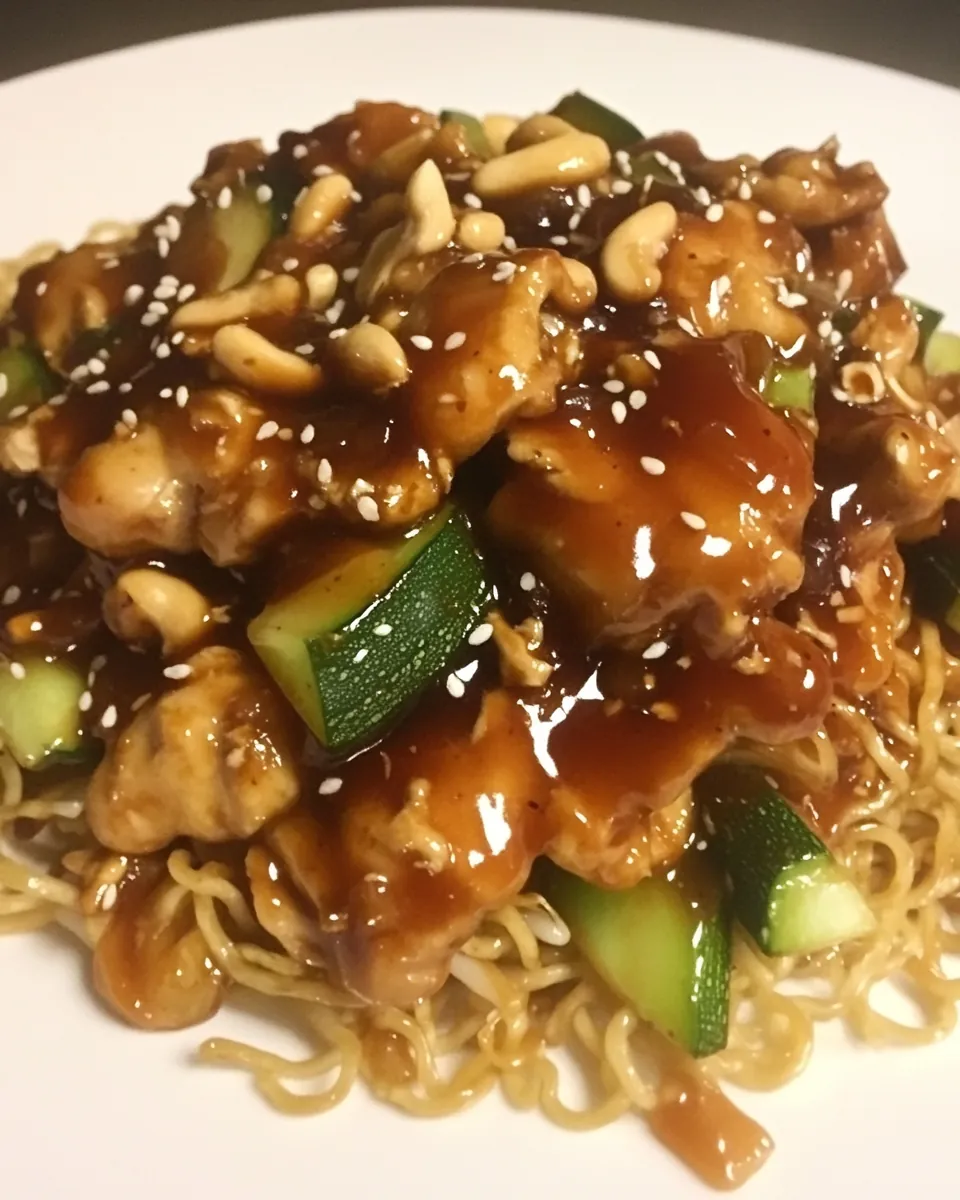
Here are a few helpful notes to make your Hunan Chicken experience as delightful as possible:
- Storage: Store any leftovers in an airtight container in the refrigerator for up to three days. Reheat gently in a skillet to maintain crispiness.
- Freezing: You can freeze the cooked Hunan Chicken without the noodles for up to three months. Just thaw in the refrigerator before reheating.
- Pairing: This dish pairs beautifully with steamed rice or a fresh salad to balance the richness of the sauce.
- Variations: Feel free to swap out vegetables based on seasonal availability or personal preference. Broccoli or bell peppers work wonderfully!
- Garnish: Top your Hunan Chicken with sesame seeds or crushed peanuts for added texture and flavor.
Accompaniments for Hunan Chicken
Pairing your Hunan Chicken with the right sides can elevate your dining experience.
- Steamed Jasmine Rice: A classic choice that complements the spicy sauce beautifully. The rice absorbs the flavors perfectly.
- Stir-Fried Vegetables: Serve with additional stir-fried or steamed vegetables like bok choy, carrots, or broccoli for a colorful plate.
- Miso Soup: A warm bowl of miso soup can balance the spice of the Hunan Chicken and make for a comforting meal.
- Spring Rolls: These crispy delights can serve as a great appetizer, adding a crunchy texture before diving into the main dish.
- Perfect for Gatherings: Whether it’s a family dinner or a potluck, Hunan Chicken is a dish that impresses everyone!
- Seasonal Pairings: In winter, consider adding roasted root vegetables. In summer, fresh salads with a zesty dressing can lighten the meal.
FAQ
Conclusion
Hunan Chicken is a fantastic dish that brings bold, spicy flavors to your table while still being easy to prepare. Its vibrant vegetables and crispy noodles make it not just a meal, but an experience to savor. I encourage you to give this recipe a try and share it with your friends and family. You’ll find that the combination of heat, sweetness, and texture is truly unforgettable!
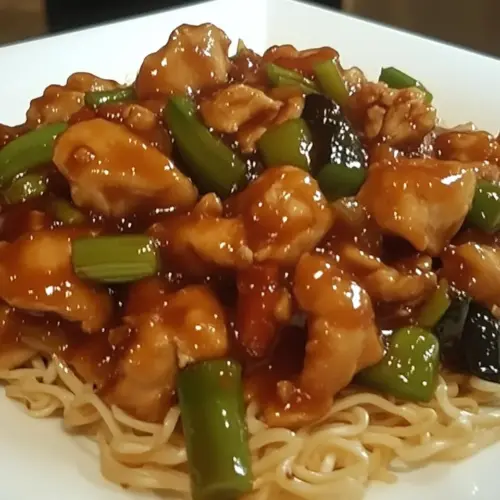
Hunan Chicken
Equipment
- Peeler
- Skillet
- Whisk
- Frying Pan
- Mixing Bowl
- Large Pot
- Wooden Spoon
- Chef's Knife
Ingredients
- 2 pounds boneless skinless chicken thinly sliced
- 1/4 cup low-sodium soy sauce
- 1 tablespoon rice vinegar
- 1 tablespoon peanut oil or canola if you are allergic
- 2 cloves garlic smashed
- 2 slices fresh ginger smashed
- 1 handful fresh cilantro leaves
- Kosher salt and freshly ground black pepper
- Vegetable Oil or Peanut oil, for frying
- 2 cups Buttermilk
- 4 cups flour
- 2 tablespoons Cornstarch for slurry
- 1/2 cup water
- 1 teaspoon toasted sesame oil
- 4 dried red Thai chilies
- 4 scallions thinly sliced , plus more for garnish
- 2 cloves garlic finely chopped
- 1 inch fresh ginger peeled and finely chopped
- 3 thick strips orange zest
- 1/2 cup low-sodium soy sauce
- 1 1/2 cups chicken stock
- 2 tablespoons rice vinegar
- 1 tablespoon honey
- 3 ounces dried Chinese egg noodles
- 1-2 tablespoons canola oil
- 1/2 cup vegetable broth low-sodium canned
- 3 tablespoons oyster sauce
- 1 tablespoon soy sauce plus more for the table
- 2 teaspoons cornstarch
- 1 teaspoon sugar
- 1 teaspoon dark Asian sesame oil
- 1 heaping tablespoon minced peeled fresh ginger
- 3 cloves garlic minced
- 1 scallion white and green minced
- 1/2 medium yellow onion thinly sliced
- 1 stalk celery thinly sliced on the diagonal
- 10 dried shiitake mushrooms rehydrated, drained, and thinly sliced
- 1/3 cup thinly sliced canned water chestnuts
- 6 ounces fresh mung bean sprouts
- Mixed vegetables we used snow peas, zucchini, broccoli, and yellow squash
Instructions
- Start by preparing the marinade. In a large bowl, combine the chicken, soy sauce, rice vinegar, and peanut oil. Add the garlic and ginger, mixing well to ensure all pieces are coated. Cover the bowl and let it marinate in the refrigerator for 2 hours. This step is crucial as it infuses the chicken with amazing flavors.
- Heat enough vegetable oil in a wok or deep skillet until it reaches 375 degrees F. Carefully add the marinated chicken in batches, frying until golden brown and crispy, about 4 to 5 minutes per batch. Be sure not to overcrowd the pan. Drain the fried chicken on paper towels to remove excess oil.
- Once all the chicken is fried, it’s time to make the sauce. In the same hot wok, add 2 tablespoons of oil, then throw in the dried red Thai chilies, scallion, garlic, ginger, and orange zest. Stir-fry for 1 minute until fragrant. The smell will be intoxicating!
- Next, pour in the soy sauce, chicken stock, rice vinegar, and honey. Bring the mixture to a boil, then mix the remaining cornstarch with cold water until smooth. Gradually add this slurry to the boiling sauce, stirring constantly until it thickens.
- Add the fried chicken pieces back into the wok and toss them in the sauce, cooking for another 2 minutes until everything is heated through. Don’t forget to garnish with more scallions and cilantro leaves.
- Now, let’s prepare the noodles! Boil the Chinese egg noodles according to package instructions, then drain in a colander and rinse under cold running water. This helps stop the cooking process and prevents them from sticking.
- In a large, seasoned or non-stick skillet, heat a bit of oil over high heat. Add the drained noodles, spreading them out to cover the skillet evenly. Fry until they are golden brown and crispy, about 8 minutes, turning once. The goal is to achieve a nice crunch!
- Once crispy, transfer the noodles to a paper towel-lined plate and season with salt. Set them aside while you prepare the vegetables.
- Wipe out the skillet, then heat it over high heat again. Add a little oil if needed, then add the ginger, garlic, and scallion, stir-frying until fragrant, about 30 seconds.
- Add the onion, celery, mushrooms, and mixed vegetables to the skillet. Stir-fry until they become crisp-tender, about 2 minutes. The colors will be vibrant and inviting!
- Finally, add the water chestnuts and create a well in the center of the pan. Pour the broth mixture into the well and bring it to a boil, stirring to coat everything. Add in the fresh mung bean sprouts and give it a final stir.
- Serve the stir-fried vegetables on a warm platter, topped with the crispy noodles and the Hunan Chicken. Pass extra soy sauce around for those who want more flavor. Enjoy!
Notes
- Storage: Store any leftovers in an airtight container in the refrigerator for up to three days. Reheat gently in a skillet to maintain crispiness.
- Freezing: You can freeze the cooked Hunan Chicken without the noodles for up to three months. Just thaw in the refrigerator before reheating.
- Pairing: This dish pairs beautifully with steamed rice or a fresh salad to balance the richness of the sauce.
- Variations: Feel free to swap out vegetables based on seasonal availability or personal preference. Broccoli or bell peppers work wonderfully!
- Garnish: Top your Hunan Chicken with sesame seeds or crushed peanuts for added texture and flavor.