
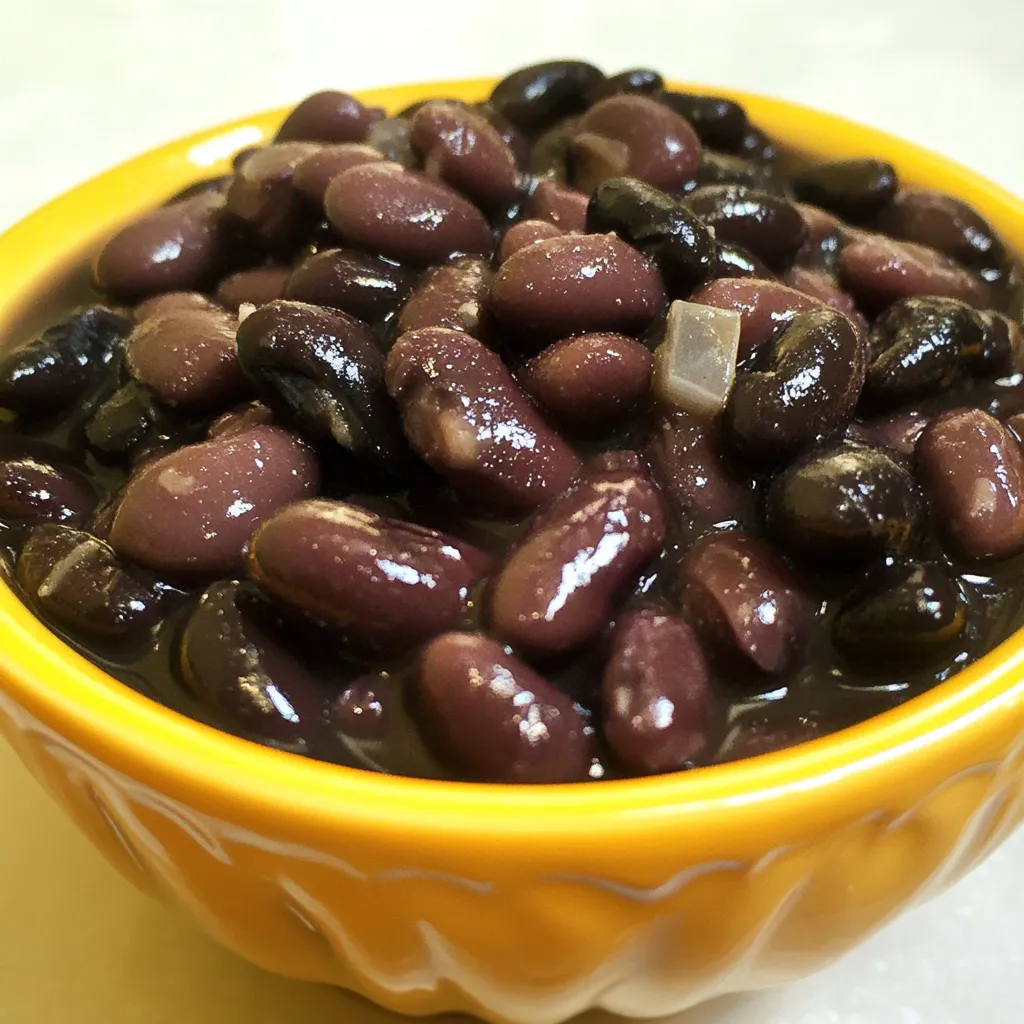
Black Beans
When I think of comfort food, Black Beans always come to mind. They’re more than just a side dish; they’re a staple that brings back memories of family gatherings and cozy dinners. I still remember the first time I learned to cook black beans. My grandmother would gather the family around the kitchen, teaching us the importance of soaking them overnight for the perfect texture. As the beans simmered, their rich aroma filled the air, and I could hardly wait to dig in. The joy of sharing a bowl of black beans with loved ones is unparalleled, and I’m excited to share my approach with you!
Recipe Snapshot
24 hr 1 mins
1440 mins
1 mins
Hard
227 kcal
15 g
Keto, Paleo, Whole30
1 g
Frying Pan, Saucepan, Large Pot, Cutting Board
The Beauty of This Black Beans
Versatile and Nutrient-Packed
Black beans are incredibly versatile, adding depth to a multitude of dishes. Whether you’re incorporating them into a salad, a burrito, or enjoying them on their own, they never disappoint. Packed with protein, fiber, and a host of essential nutrients, they help you feel satisfied and nourished.
Simple Preparation
Cooking black beans is straightforward. While soaking them overnight may require a bit of planning, the actual cooking process is quick, making them a fantastic choice for busy weeknights. You can easily adjust the flavors to suit your palate, whether you prefer them spiced up or kept simple.
A Budget-Friendly Option
Beans are one of the most economical sources of protein available. By choosing black beans, you’re not only making a healthy choice but also a wallet-friendly one. They stretch your meals further, making them a perfect option for families or anyone looking to save money without sacrificing nutrition.
Cultural Connection
For many, black beans hold cultural significance. They are a staple in Latin American cuisine, featured in countless traditional dishes. Cooking black beans allows me to connect with my heritage and share that passion with friends and family. The stories passed down through generations often revolve around these humble legumes.
Perfect for Meal Prep
One of my favorite things about black beans is how well they lend themselves to meal prep. Once cooked, they can be stored in the fridge or freezer, ready to be added to meals throughout the week. This makes them an ideal ingredient for quick lunches or dinners.
Comfort in a Bowl
At the end of a long day, there’s something incredibly comforting about a warm bowl of black beans. It’s a dish that can adapt to any mood or occasion, whether you’re whipping up a quick lunch or preparing a special dinner for friends. The heartiness of the beans combined with your choice of spices and toppings means every bowl can be a new experience!
Everything You Need for Black Beans
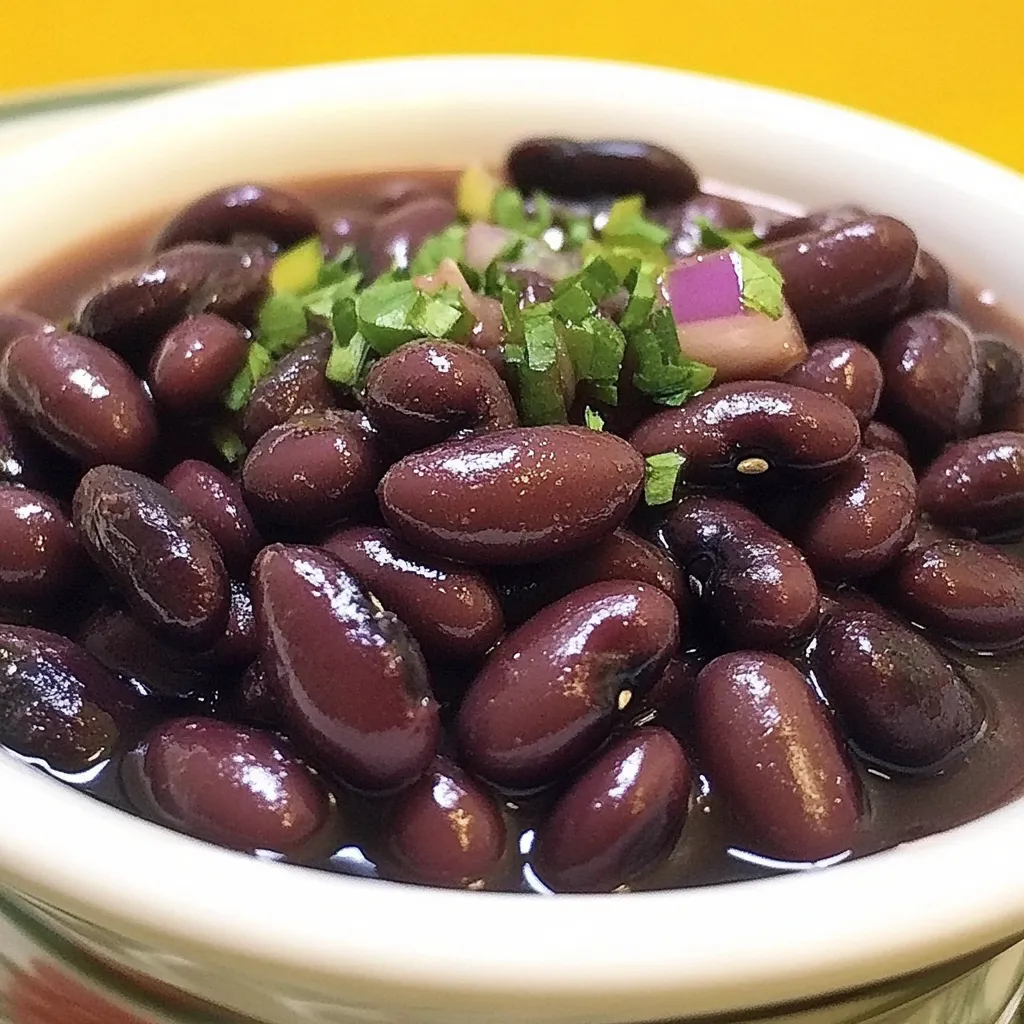
Making black beans requires just a handful of simple ingredients that work beautifully together. The key players here are the dried black beans, which transform into a hearty, flavorful dish when combined with olive oil, onion, garlic, and a few other essentials. Each ingredient contributes to the overall taste and texture, making it a delightful addition to any meal.
- 16 ounces (2 cups) dried black beans – The star of the dish, these black beans are rich in protein and fiber, offering a satisfying base.
- 2 teaspoons olive oil – Used for sautéing, it adds a lovely richness to the dish.
- 1 small onion, diced – A key ingredient for flavor, it becomes sweet and tender when cooked.
- 1 clove garlic – This aromatic enhances the overall taste, adding depth to the beans.
- 1 bay leaf – Imparts a subtle, herbal note that complements the beans beautifully.
- 4 cups water – Essential for cooking the beans, helping them become tender and delicious.
- 1 teaspoon kosher salt, optional – Enhances the flavors, but can be adjusted based on your preference.
How to Cook Black Beans
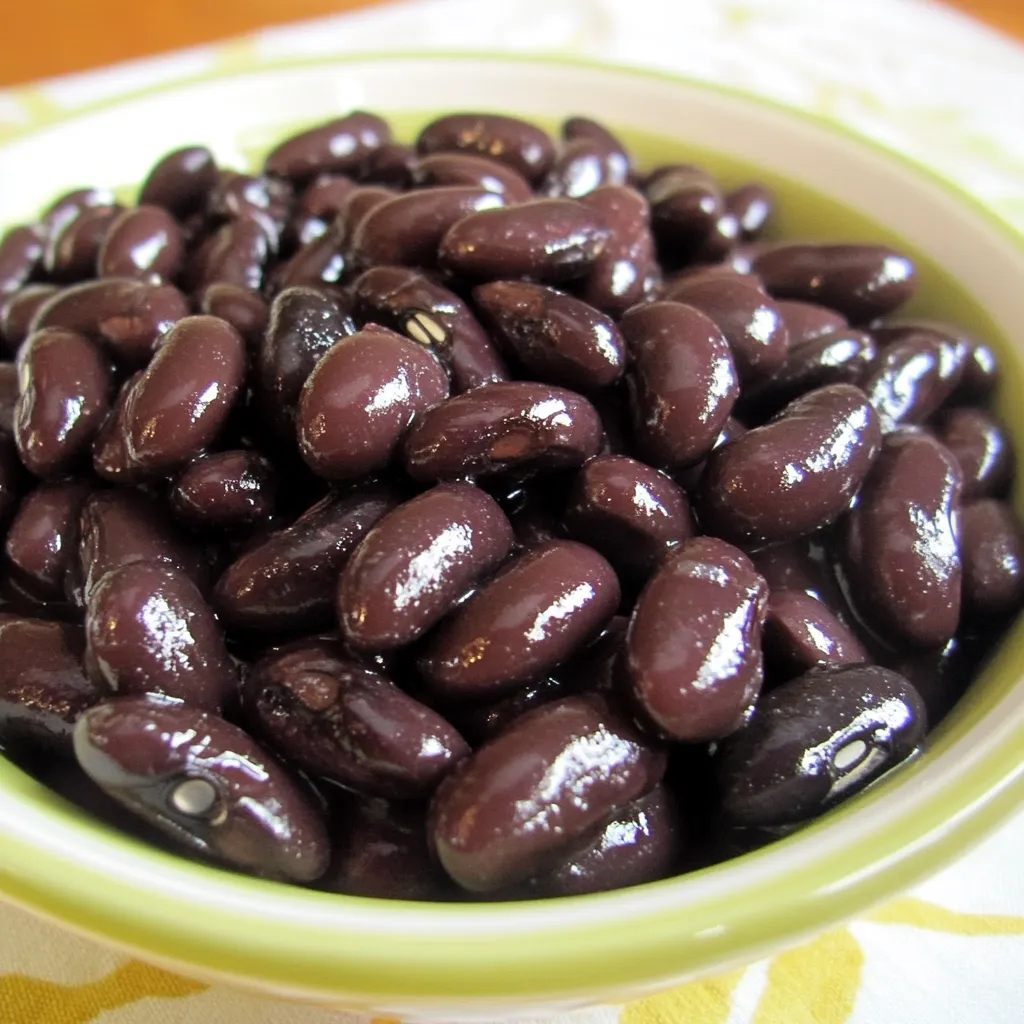
Cooking black beans is a rewarding experience that showcases the beauty of simple ingredients. As you embark on this culinary journey, you’ll find joy in each step of the process. Follow along as I guide you through the delicious adventure of transforming dried beans into a mouthwatering dish.
- Begin by soaking the dried black beans. The night before you plan to cook, place the beans in a large bowl and cover them with water, allowing them to soak overnight. This crucial step helps reduce cooking time and improves digestion.
- After soaking, drain the beans and rinse them under cold water. This helps remove any impurities and excess sodium from the beans.
- In a medium-sized saucepan, heat the olive oil over medium heat. As the oil warms, it becomes a beautiful golden hue, ready for the next steps.
- Add the diced onion to the saucepan. Sauté for about 4 to 5 minutes, stirring occasionally, until the onion becomes translucent and fragrant.
- Next, incorporate the garlic. Cook for about a minute, stirring until the garlic becomes aromatic. Be careful not to let it burn, as burnt garlic can turn bitter.
- Now, introduce the black beans back into the pan, along with the bay leaf, water, and optional kosher salt. Stir everything together to combine.
- Bring the mixture to a boil. You’ll notice the bubbling liquid around the beans, indicating they’re ready to cook. Once boiling, reduce the heat to a simmer.
- Cover the saucepan with a lid and let the beans simmer for about an hour. During this time, the beans will absorb the flavors and become tender. If you didn’t soak them overnight, you might need to extend the cooking time.
- After an hour, check the beans for tenderness. They should be soft but not mushy. If they still have a bit of bite, continue cooking and check every 10 minutes.
- Once perfectly cooked, remove the saucepan from heat and allow the beans to cool slightly. Serve them warm, perhaps garnished with fresh herbs or a squeeze of lime. Enjoy!
To store leftovers, allow the beans to cool completely. Transfer them to an airtight container and refrigerate for up to 4 days. For longer storage, place them in a freezer-safe bag and freeze for up to 4 months. When you’re ready to enjoy again, simply reheat on the stove over low to medium heat, or defrost overnight in the fridge.
Things Worth Knowing
- Soaking Tips: Always soak black beans overnight to reduce cooking time and enhance digestibility. If you forget, you can also quick-soak by boiling them for 2 minutes, then letting them sit for an hour.
- Flavor Boost: Experiment with spices such as cumin, paprika, or chili powder for different flavor profiles. Adding these spices during the cooking process will infuse them into the beans.
- Texture Check: For optimal texture, check the beans periodically while they simmer. They should be tender but hold their shape without being mushy.
- Freezing: If you plan to freeze the beans, let them cool entirely before transferring them to freezer bags. Be sure to label and date them for future use.
Tips and Tricks about Black Beans
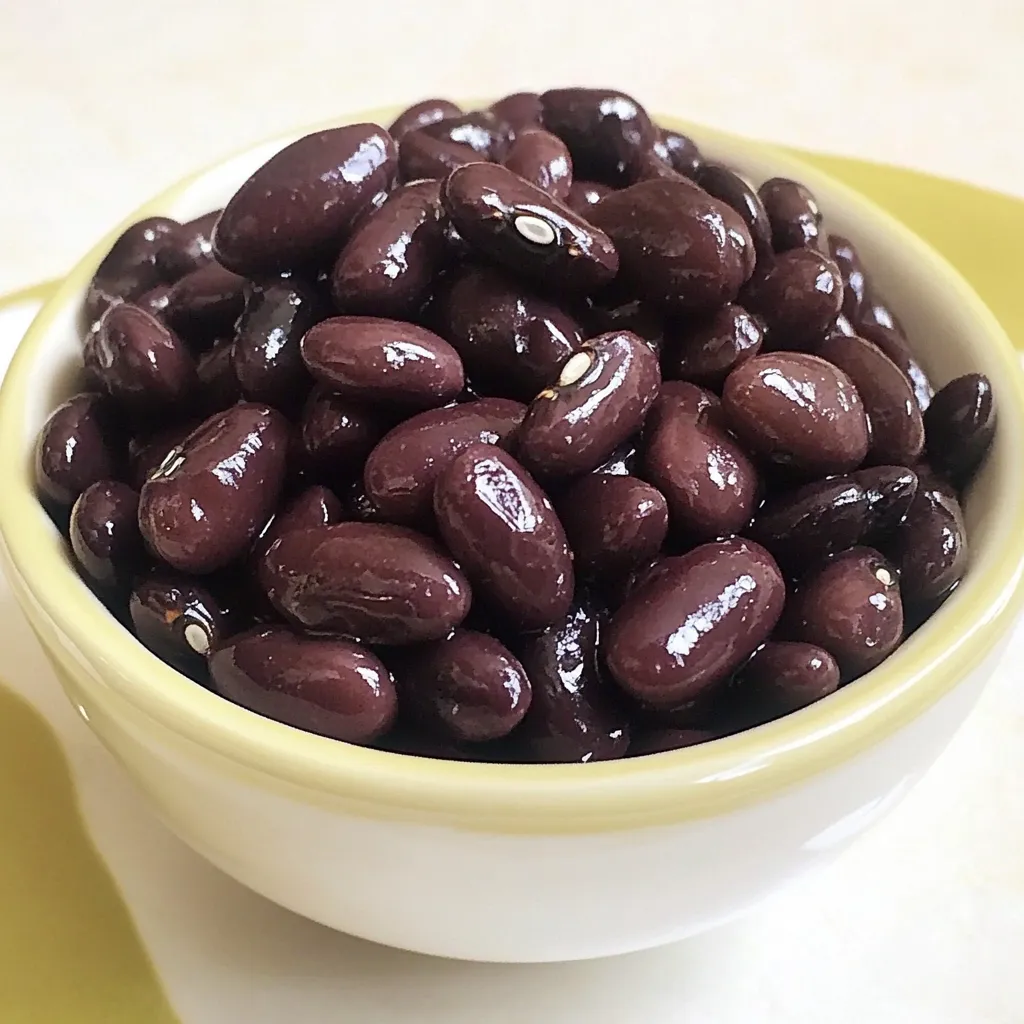
Cooking black beans comes with its own set of tricks to ensure delicious results every time. Here are some of my favorite tips to help you master this recipe.
- Storage: After cooking, allow black beans to cool before transferring them to an airtight container. This keeps them fresh in the fridge for up to 4 days.
- Freezing: You can freeze black beans for up to 4 months. Portion them into freezer bags, ensuring to remove excess air to prevent freezer burn.
- Pairing: Black beans pair well with rice, tortillas, or in salads. They’re perfect for burritos or as a filling for tacos.
- Spice it Up: Feel free to add spices like cumin, coriander, or jalapeños to give your black beans an extra kick!
- Garnishing: Top your black beans with fresh cilantro, a dollop of sour cream, or avocado slices for added flavor and texture.
Best Served With
Knowing how to serve black beans can elevate your meal experience. Here are some fantastic ideas to complement this delicious dish.
- Rice: Pairing black beans with fluffy white or brown rice creates a wholesome meal full of flavor and nutrition.
- Tacos: Use black beans as a filling for tacos, topped with fresh veggies, avocado, and salsa.
- Salads: Incorporate black beans into salads for added protein. They’re particularly great in a Southwest-inspired salad with corn and peppers.
- Soups: Blend black beans into soups for a creamy texture and rich flavor. They’re fantastic in chili recipes.
- Breakfast Burritos: Add black beans to breakfast burritos along with scrambled eggs and cheese for a hearty start to your day.
- Occasions: These beans are perfect for casual gatherings, potlucks, or any meal where you want to serve something hearty and satisfying.
FAQ
Conclusion
Black Beans are a delightful, nutritious option that can be enjoyed in various ways. Their versatility allows you to incorporate them into numerous dishes, making them a kitchen staple. I encourage you to try cooking black beans at home; they’re sure to impress your family and friends. Whether you’re enjoying them in a simple bowl or as part of a feast, their rich flavor and heartiness will make every meal special.
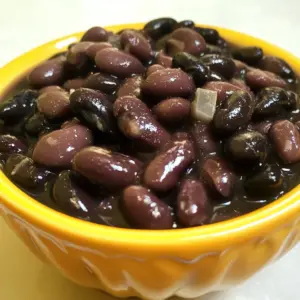
Black Beans
Equipment
- Frying Pan
- Saucepan
- Large Pot
- Cutting Board
Ingredients
- 16 ounces dried black beans
- 2 teaspoons olive oil
- 1 small onion, diced
- 1 clove garlic
- 1 bay leaf
- 4 cups water
- 1 teaspoon kosher salt, optional
Instructions
- Begin by soaking the dried black beans. The night before you plan to cook, place the beans in a large bowl and cover them with water, allowing them to soak overnight.
- After soaking, drain the beans and rinse them under cold water.
- In a medium-sized saucepan, heat the olive oil over medium heat.
- Add the diced onion to the saucepan. Sauté for about 4 to 5 minutes, stirring occasionally, until the onion becomes translucent and fragrant.
- Next, incorporate the garlic. Cook for about a minute, stirring until the garlic becomes aromatic.
- Now, introduce the black beans back into the pan, along with the bay leaf, water, and optional kosher salt. Stir everything together to combine.
- Bring the mixture to a boil. Once boiling, reduce the heat to a simmer.
- Cover the saucepan with a lid and let the beans simmer for about an hour.
- After an hour, check the beans for tenderness. They should be soft but not mushy.
- Once perfectly cooked, remove the saucepan from heat and allow the beans to cool slightly. Serve them warm, perhaps garnished with fresh herbs or a squeeze of lime.